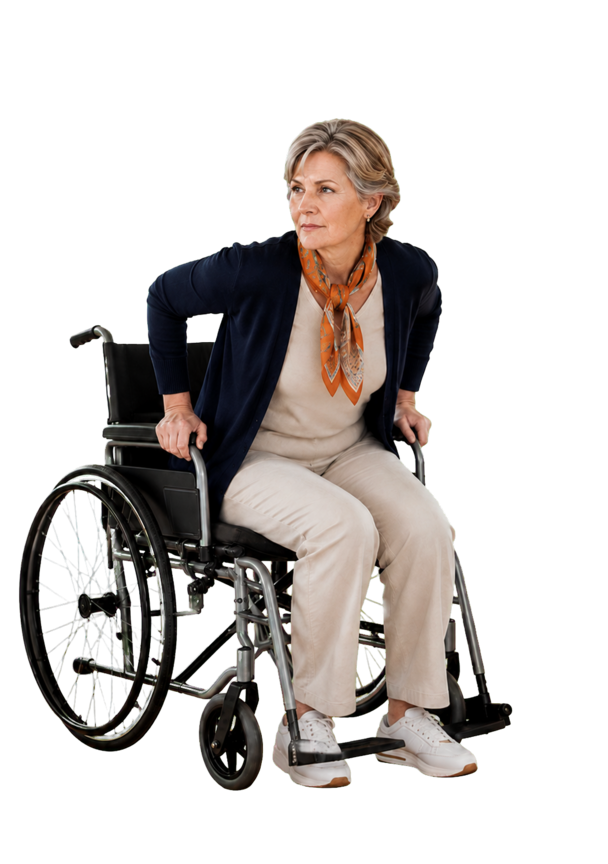
“I’m afraid of falling.”
Pain, numbness, and poor balance can change sleep, independence, exercise, and time with family.

RESTORATION NEUROPATHY CARE
Numbness. Burning. Tingling. Weakness. Balance changes. You do not need to know whether it is neuropathy before you come in. You just need to know something has changed.
WHAT IS NEUROPATHY?
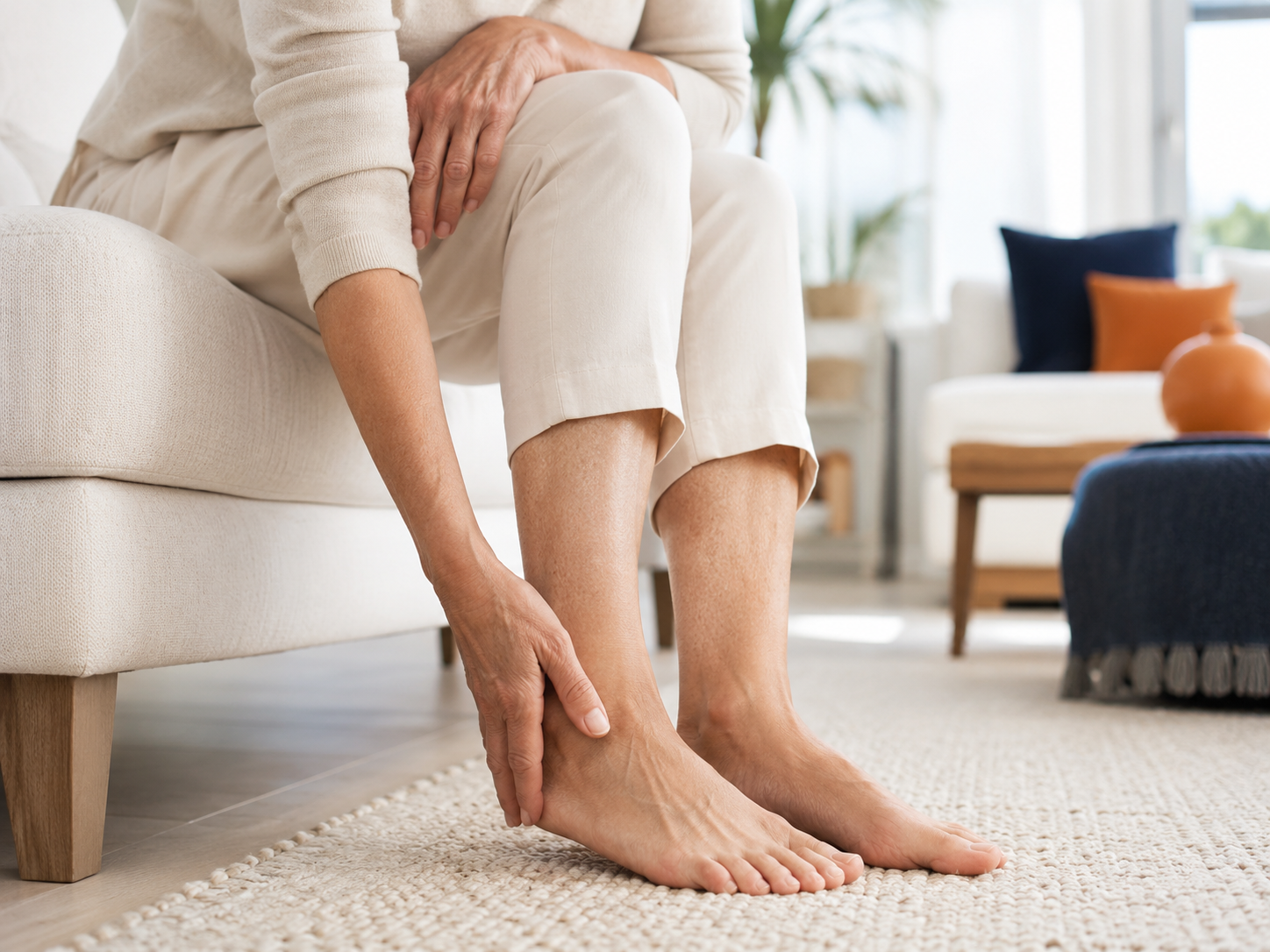
Peripheral neuropathy is not one single disease. It is a broad name for conditions that damage or disrupt nerves outside the brain and spinal cord.
Those nerves carry sensation, control muscles, and help regulate automatic functions. That is why symptoms can range from a strange feeling in one toe to pain, weakness, balance problems, or changes elsewhere in the body.
Symptoms often begin in the feet and legs, sometimes spreading upward or appearing in the hands.
COULD THIS BE NEUROPATHY?
Select anything that feels familiar. Even mild or uncertain symptoms deserve a closer look, especially when they are new, worsening, or affecting your balance and daily life.
You do not need a diagnosis or referral to ask for an assessment.
Request a free nerve assessment ↗Seek urgent medical care for sudden weakness or numbness, facial droop, trouble speaking, severe new balance loss, loss of bladder or bowel control, or difficulty breathing or swallowing.
THE LIFE BEHIND THE SYMPTOMS
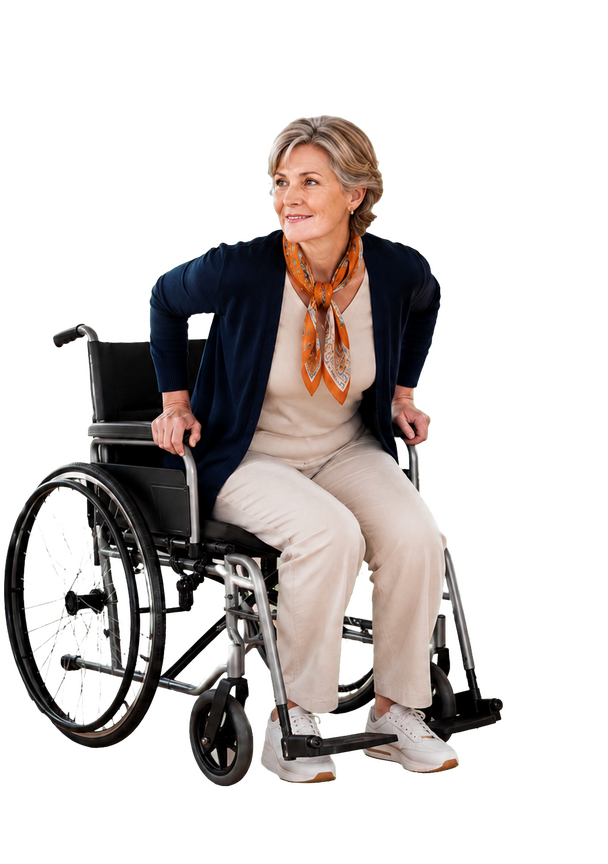
Neuropathy can shrink a person’s world, one avoided walk, restless night, or uncertain step at a time. The goal of care is to protect function and help you move toward more of the life that matters to you.
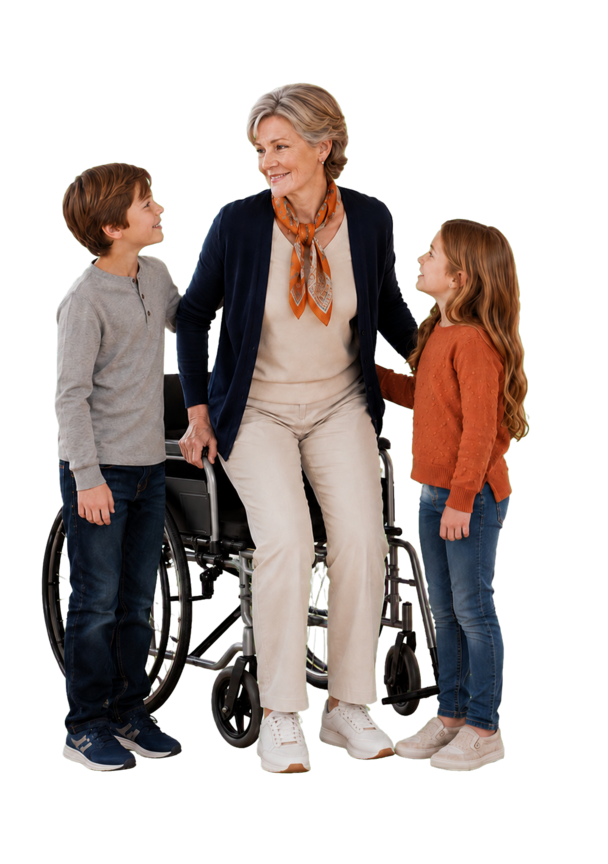
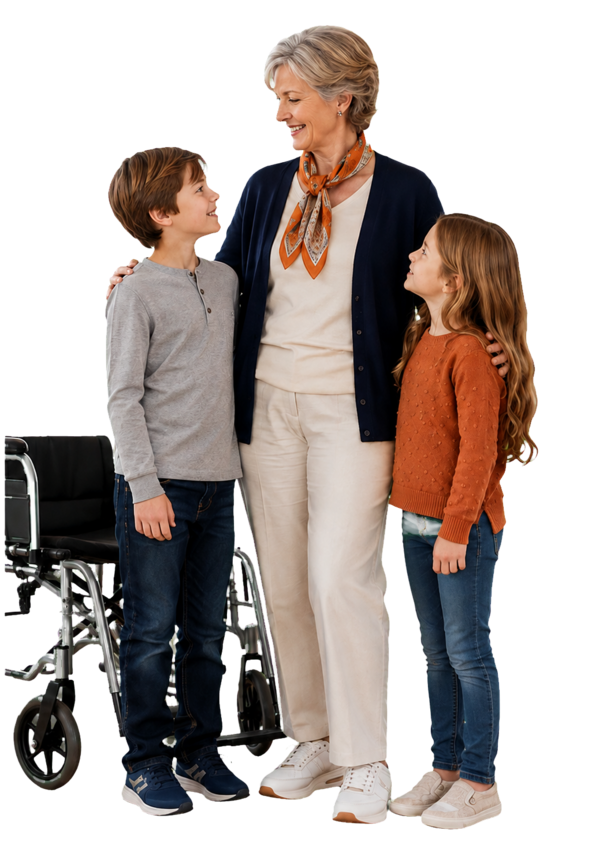
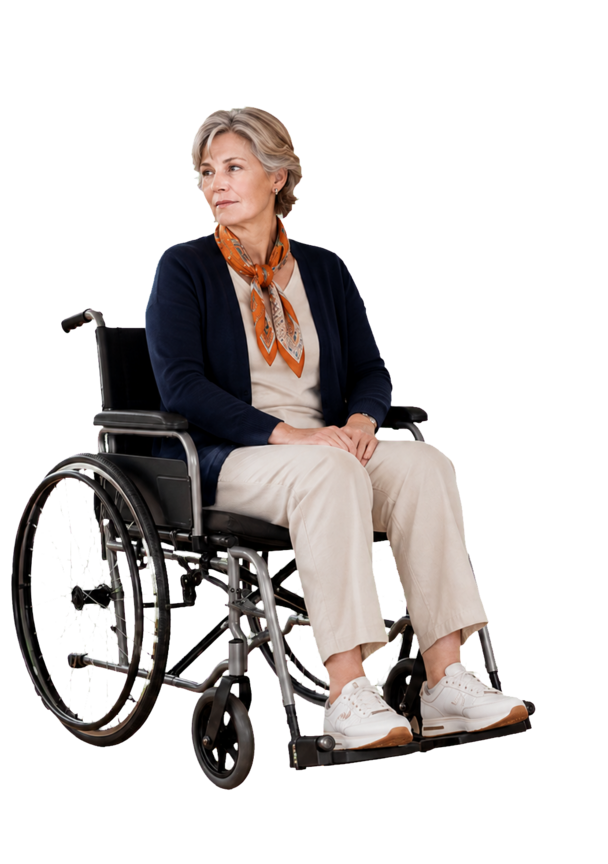 ILLUSTRATIVE JOURNEY · INDIVIDUAL RESULTS VARY
Pain, numbness, and poor balance can change sleep, independence, exercise, and time with family.
A thorough assessment looks for the symptom pattern, safety risks, severity, and factors that may be driving nerve damage.
For one person, progress is sleeping better. For another, it may be steadier walking, returning to activity, or keeping up with the grandkids.
YOUR FREE NERVE ASSESSMENT
Come because you were referred, because you already have a diagnosis, or simply because your feet or hands do not feel right. The assessment is designed to help determine what should happen next.
Symptoms, timing, medical history, cancer treatment, medications, nutrition, lifestyle, injuries, back concerns, and what has already been tried.
A structured look at touch, temperature awareness, vibration, and the pattern of sensation in your feet or hands.
We assess reflexes, strength, balance, gait, coordination, and the everyday activities that symptoms are changing.
Skin condition, unnoticed injuries, pressure areas, temperature, pulses, and other factors that can affect safety and healing.
Your provider considers metabolic, nutritional, treatment-related, structural, and other contributors, as well as whether additional testing or referral is appropriate.
We explain what we found, answer your questions, and outline a personalized plan only if care at RHC is appropriate for you.
 CARE BUILT AROUND THE LIFE YOU WANT TO LIVE
WHY DID THIS HAPPEN?
Neuropathy has many possible causes, and some people have more than one. That is why a generic protocol misses the point.
Diabetes and prediabetes are common contributors. Blood-sugar patterns, nutrition, activity, and overall metabolic health all matter.
Some chemotherapy and other cancer treatments can injure peripheral nerves, with symptoms that may continue after treatment ends.
Spinal conditions, injuries, and compressed or entrapped nerves can create symptoms that resemble or contribute to neuropathy.
Vitamin deficiencies or excesses, alcohol use, certain medications, and toxic exposures can affect nerve health.
Autoimmune disease, infections, kidney or thyroid disorders, and inherited conditions may be part of the picture.
Sometimes the cause is not immediately clear. A thoughtful evaluation can still identify risks, protect function, and guide next steps.
NEVER COOKIE CUTTER
Some patients need a focused intervention. Others need a layered program over time. Severity, cause, health history, goals, response, and budget all help shape the recommendation.
Care begins with the likely cause: metabolic health, nutrition, activity, recovery after cancer treatment, back or compression issues, or another identified contributor.
PERSONALIZED TO YOUR FINDINGSIndividualized movement, balance, strength, and rehabilitation strategies can help protect function and confidence.
PERSONALIZED TO YOUR FINDINGSRed-light therapy and other non-drug modalities may be considered to support circulation, comfort, and tissue health.
PERSONALIZED TO YOUR FINDINGSDepending on the assessment and severity, a provider may discuss PRP, cell-signaling approaches, or other regenerative procedures, including stem-cell-based options where clinically appropriate.
PERSONALIZED TO YOUR FINDINGSRHC’s neuropathy approach does not rely on prescription medication as the primary answer. We coordinate recommendations with your broader medical care; never stop or change prescribed medication without speaking with the clinician who manages it.
Regenerative and biologic procedures are not appropriate for everyone. Evidence and regulatory status vary by product and intended use; some uses may be investigational or not FDA-approved for neuropathy. Your provider will discuss potential benefits, risks, alternatives, costs, and realistic expectations before treatment. No outcome is guaranteed.
WHY CHECK NOW?
When sensation fades, a blister, burn, pressure spot, or small injury may go unnoticed. Weakness and balance changes can increase fall risk. In diabetes, poor circulation can make wounds harder to heal.
Reduced sensation can hide cuts, burns, or pressure areas.
Weakness or poor position-sense can make walking feel uncertain.
Burning and electric pain are often worse at night.
Diabetes can combine nerve damage with poor blood flow and slower healing.
A CLEAR NEXT STEP
If you are experiencing numbness, tingling, burning, weakness, or balance changes, start with a free nerve assessment. We will listen, evaluate what is happening, and explain the next step clearly.
PHONE · ADDRESS · FAX
Fax: 855-301-7558
Get directions ↗Fax: 855-301-7558
Get directions ↗